Nusa Penida Travel Guide: Everything You Need to Know Before You Go
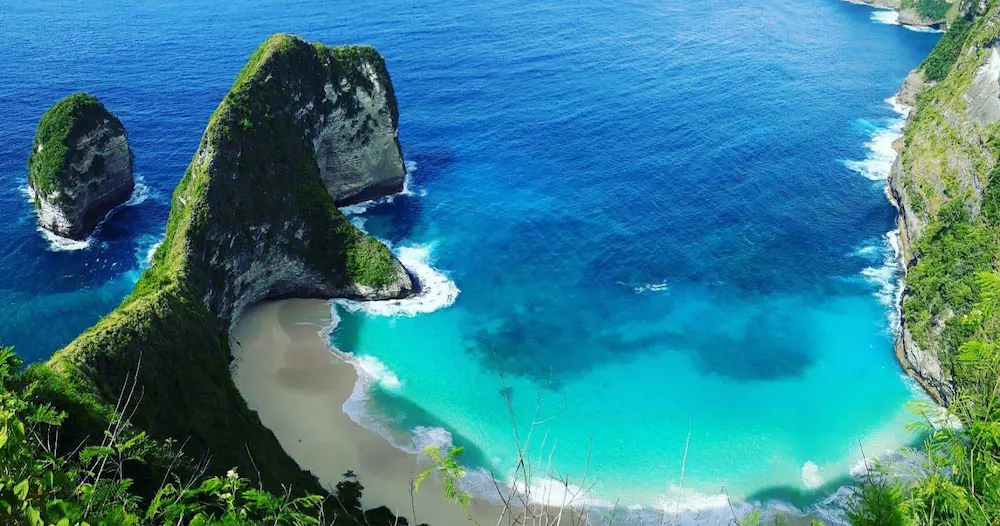
Nusa Penida is not your typical Bali day trip. It is a raw, dramatic island southeast of Bali — clifftop viewpoints that drop straight into the ocean...
Nusa Penida is not your typical Bali day trip. It is a raw, dramatic island southeast of Bali — clifftop viewpoints that drop straight into the ocean, beaches you can only reach by hiking down steep stone paths, and water so clear you can see the reef from the surface.
It is also the kind of place that rewards preparation. The roads are rough. The weather changes fast. Some spots are genuinely dangerous if you do not know what you are walking into. This guide was written to give you a clear picture of what to expect — the good, the challenging, and the things most travel blogs skip over.
Whether you are planning a one-day trip from Bali or a full three-day stay, read this before you book anything.
What is Nusa Penida?
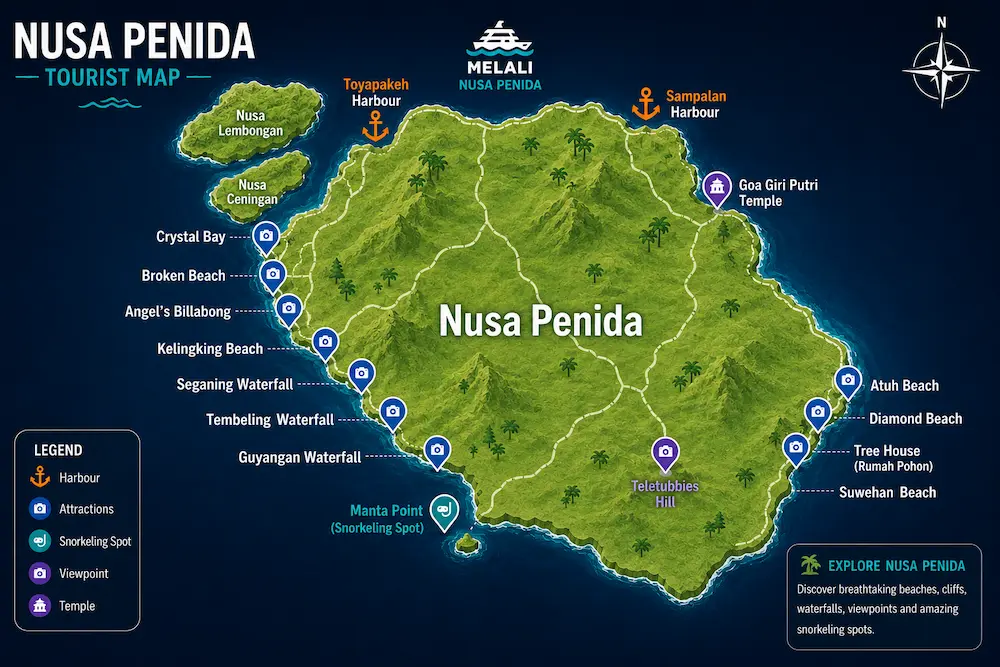
Nusa Penida is the largest of three islands in the Nusa group, alongside the smaller Nusa Lembongan and Nusa Ceningan. It sits about 20 kilometers southeast of Bali, separated by the Badung Strait.
The island covers roughly 200 square kilometers. Its population is around 50,000 people, most of whom live in small villages scattered across the interior and northern coast. Tourism is concentrated along the western and eastern coastlines, while the inland areas remain largely untouched — dry hills, traditional villages, and Hindu temples that have stood for centuries.
What makes Nusa Penida different from anywhere else in Bali is scale. The cliffs here are serious — some drop 70 to 100 meters straight into the sea. The beaches tucked beneath them are genuinely stunning, but getting there takes effort. That combination of dramatic landscape and physical challenge is exactly what draws people here.
Nusa Penida vs Nusa Lembongan — which one should you choose?
If you want beaches, bars, and a relaxed resort atmosphere, Nusa Lembongan is the easier choice. If you want raw scenery, serious snorkeling, and spots that feel like you discovered them yourself, Nusa Penida is worth the extra effort. Many people do both — Lembongan as a base, Penida as a day trip.
→ Full comparison: Nusa Penida vs Nusa Lembongan → Nusa Penida vs Gili Islands
How to get to Nusa Penida from Bali
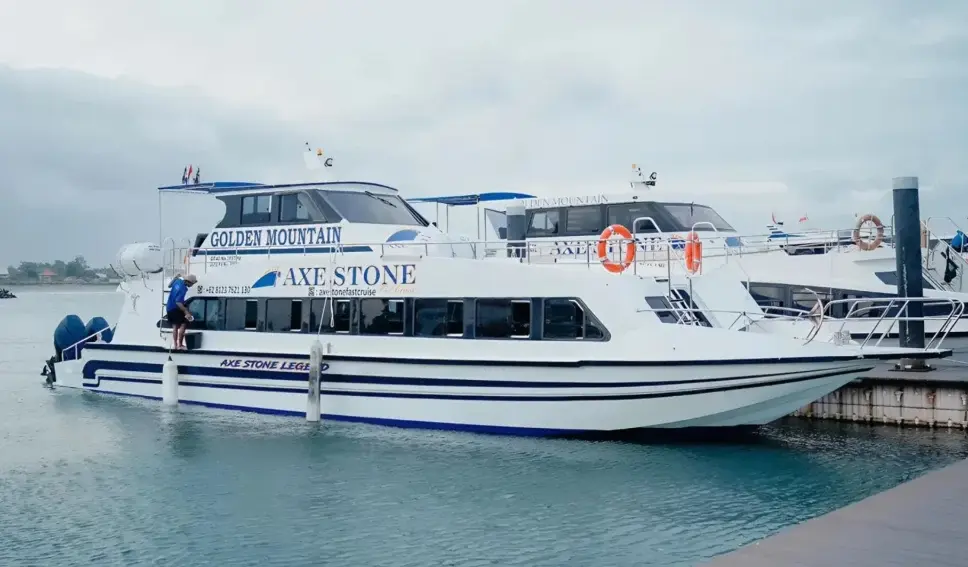
There is only one way in: by boat. No airports, no bridges. That is part of what keeps Nusa Penida feeling removed from the rest of Bali's tourist circuit.
Fast boat from Sanur (most popular)
The majority of visitors depart from Sanur Harbour on Bali's east coast. The crossing takes 35 to 45 minutes depending on conditions. Boats depart regularly from early morning until around 5 PM, with the heaviest traffic between 7 AM and 10 AM.
Tickets cost between IDR 150,000 and IDR 250,000 one way (roughly USD 9–15). Round-trip tickets are usually available at a discount. Multiple operators run this route — quality varies, so book through a reputable source or directly through your tour operator.
A few things worth knowing:
Arrive at the harbour at least 30 minutes before departure, especially in peak season (July–August)
The sea can get choppy, particularly in the late afternoon and during wet season
Life jackets are provided, but always check before boarding
Luggage space is limited on most fast boats
Not sure where to base yourself in Bali before the trip? Sanur is the smartest choice — closest to the harbor, latest pickup, cheapest transfer.
Fast boat from Kusamba and Padang Bai
Less crowded alternatives for travellers coming from east Bali or Ubud. The crossing is similar in duration. Padang Bai also has a public ferry option — slow (60 to 90 minutes) but significantly cheaper, and your only option if you are bringing a motorbike or car across.
Coming from Nusa Lembongan?
If you are already on Nusa Lembongan, you can reach Nusa Penida directly — no need to go back to Bali first. Fast boats run between Yellow Bridge (Lembongan) and Toya Pakeh Harbour (Nusa Penida), with a crossing time of around 15 to 30 minutes depending on the operator.
If you are joining a day tour, Melali offers a “Depart from Lembongan” option with pickup from Yellow Bridge and a direct crossing to Nusa Penida — cheaper than the Sanur route since both the pickup and the boat fare cover a shorter distance.
→ Full guide: How to get from Nusa Lembongan to Nusa Penida
Tips for booking
Book your fast boat in advance during July, August, and the December holiday period. In peak season, morning boats can sell out. Avoid the last boats of the day if you are staying overnight — late afternoon crossings can be rough and delays are common.
→ Book your fast boat ticket here → Detailed guide: How to get to Nusa Penida from Bali
Best time to visit Nusa Penida
Nusa Penida has two clear seasons, and they make a real difference to your experience.
Dry season: April to October
This is the best time to visit for most travellers. The sea is calmer, visibility for snorkeling and diving is at its best, and the roads — while never perfect — are easier to navigate. Skies stay mostly clear, which matters a lot when you are trying to photograph a cliff viewpoint.
July and August are peak season. Kelingking Beach, Diamond Beach, and the main snorkeling spots get busy. If you visit during this period, start early — be at the first viewpoints by 7 AM before the day-trip crowds arrive.
Wet season: November to March
This does not mean Nusa Penida shuts down — far from it. But you should know what you are signing up for. Afternoon rain is common. Seas are rougher, and some days the crossing from Sanur can be cancelled or uncomfortable. Some roads become genuinely hazardous after heavy rain.
The upside: fewer tourists, lower prices, and a version of the island that feels quieter and more local. Waterfalls on the east coast run full. The landscape is intensely green. If you are flexible with your schedule and do not mind adjusting plans around weather, the wet season has its own appeal.
Manta ray season
Manta rays are present in Nusa Penida's waters year-round, but sightings are most reliable between May and October. Manta Point on the southwest coast is one of the most consistent manta ray sites in the world — not a guarantee, but your odds here are genuinely high compared to most destinations.
Mola Mola (ocean sunfish) season
Mola Mola appear in deeper waters around Nusa Penida from July to October, making this the only reason some divers plan their entire Bali trip around the island. Crystal Bay is the main site. Water temperatures drop during this period, so a wetsuit is recommended.
→ Full guide: Best time to visit Nusa Penida → Nusa Penida weather by month → Manta ray snorkeling guide → When to See Mola Mola in Nusa Penida: Complete Season Guide
Top things to do in Nusa Penida
West Nusa Penida
The western side is where most day-trippers spend their time. It has the island's most iconic viewpoints and is generally more accessible than the east.
Kelingking Beach is the image you have probably already seen — a limestone peninsula shaped like a T-Rex, with a white sand beach curled at its base. The viewpoint is a short walk from the car park. Getting down to the actual beach requires a steep, rope-assisted descent that takes 30 to 45 minutes each way. It is worth it if you have the fitness and footwear for it. Go early — by 9 AM the viewpoint is already filling up.
Angel's Billabong is a natural infinity pool carved into the rocks at the edge of the ocean. At low tide, the water is calm enough to wade in — turquoise, clear, and unlike anything you will find on the main island. At high tide or in rough conditions, do not enter the water. People have been swept out here. Check tide times before you go.
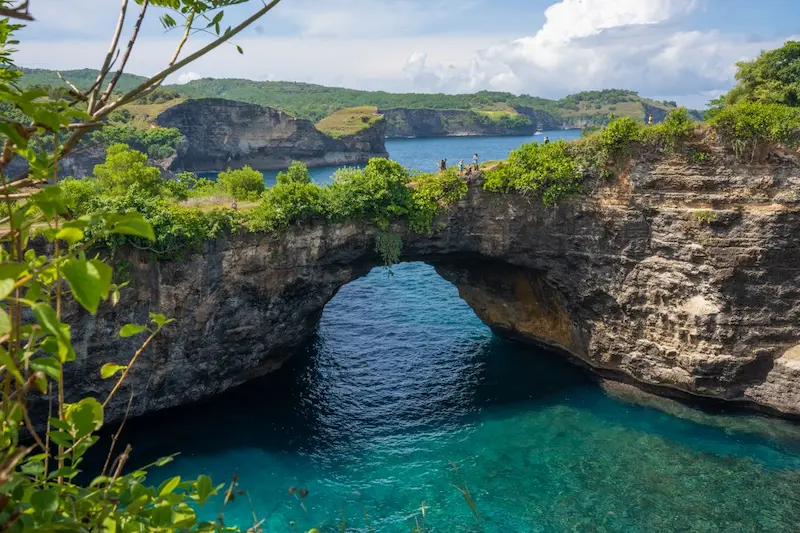
Broken Beach (Pasih Uug) sits right next to Angel's Billabong — most visitors see both in the same stop. It is a circular bay where the cliff arch has collapsed, creating a natural window to the ocean. You cannot swim here, but the view from the clifftop is striking.
Crystal Bay is the main snorkeling and diving spot on the western side. The bay itself is protected and calm, with good visibility most of the year. Mola Mola dive sites are within reach of Crystal Bay, making it a base for serious divers during the July to October season.
East Nusa Penida
The eastern side takes longer to reach from the harbour and involves roads that are genuinely rough in places. Most day tours skip it. That is exactly why it is worth going.
Diamond Beach delivers what the name suggests — crystal-clear water framed by dramatic limestone formations, with a beach that genuinely looks like it belongs in a travel magazine. The descent is steep (steeper than Kelingking, and with more vertical rope sections), but the beach at the bottom is sheltered and swimmable.
Atuh Beach is nearby and similarly beautiful — a curved beach with rock formations rising from the water. More relaxed atmosphere than Diamond Beach, and slightly easier to reach.
Rumah Pohon Treehouse sits at the top of a cliff on the east coast and offers one of the most photographed viewpoints on the island — two swing seats and a tree house perched above the ocean. The views at sunrise are particularly good.
Bukit Teletubbies is what locals call the rolling green landscape on the eastern plateau — smooth, rounded hills that look almost artificial in their uniformity. Worth a stop if you are already on the east side.
Snorkeling and diving
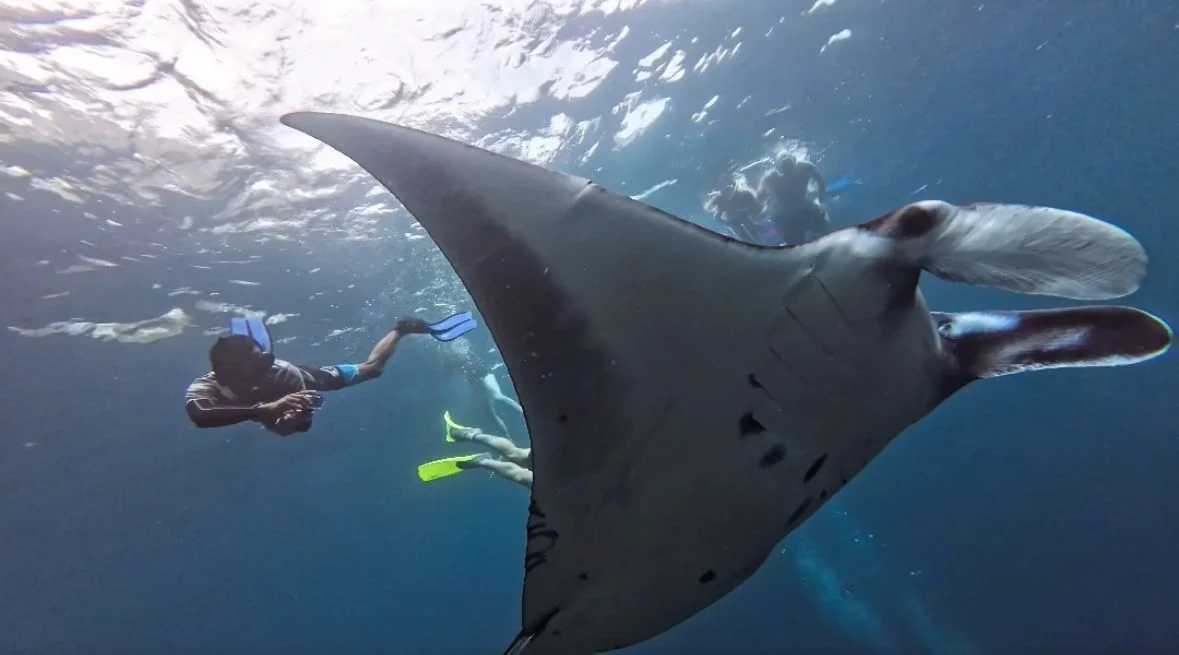
Nusa Penida's underwater world is the main reason many serious travellers make the trip. The current-rich waters around the island support an extraordinary variety of marine life.
Manta Point on the southwest coast is the headline site — manta rays cruise along the cleaning station here, sometimes in groups of six or more. The current can be strong, so experienced guides matter here.
Crystal Bay is the go-to for Mola Mola encounters and general reef diving. Gamat Bay offers calmer conditions and is good for beginners. Toyapakeh has a long coral wall with strong fish life.
For snorkeling, the three-point route of Manta Point, Crystal Bay, and Gamat Bay covers the highlights and is what most snorkeling tours run.
→ Book a snorkeling tour → West Tour + Private Snorkeling
Temples and culture
Nusa Penida is deeply Hindu, and the island has several temples that are significant for Balinese Hindus across the region.
The island isn’t only Hindu, though. Toyapakeh, near the harbour, is a small Muslim village with the island’s only mosque — and if you follow a halal diet or need to pray during your trip, our honest guide to halal food and prayer in Nusa Penida covers what’s actually available and how to plan around it.
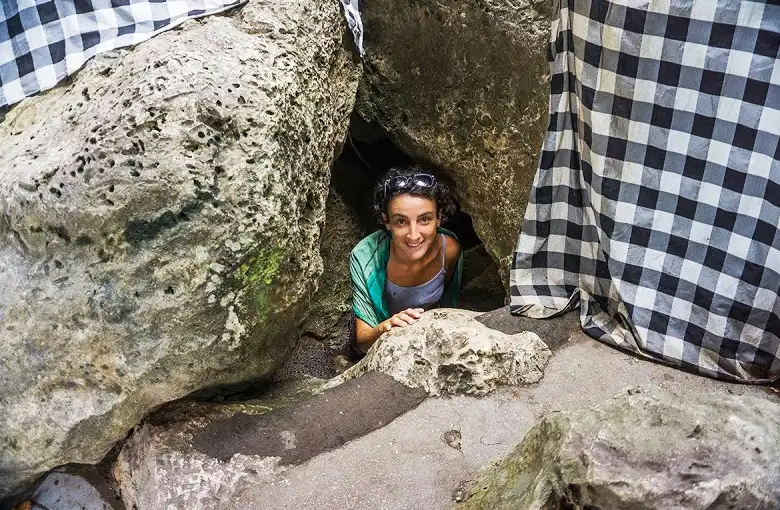
Goa Giri Putri is a cave temple on the east coast that you enter through a small opening in the rock face — you have to crouch to get in, but the cave opens into a large ceremonial space inside. Sarong required.
Pura Ped on the north coast is one of the four directional kahyangan jagat temples of Bali, making it spiritually significant beyond just Nusa Penida itself. Dress respectfully and be mindful during ceremonies.
Nusa Penida's culture goes beyond temples — the island also has cremation and weaving traditions found nowhere else in Bali.
Ngaben, the Balinese cremation ceremony, takes on a different character here than it does elsewhere in Bali — on Nusa Penida, it often becomes a shared event for the whole village rather than a private family affair.
→ Ngaben in Nusa Penida: how a sacred cremation ceremony becomes a village event
The island is also known for cepuk and rangrang, traditional handwoven textiles with patterns and weaving techniques found nowhere else — each piece carries meaning tied to ceremony and daily life on Nusa Penida.
→ Cepuk and Rangrang: Nusa Penida's sacred weaving tradition
Hidden spots worth finding
Since we actually live and work on this island, a few lesser-visited spots we genuinely recommend:
Seganing Waterfall on the west coast requires a steep descent but rewards you with a waterfall that drops almost directly onto rocks at the sea's edge. The walk is challenging and there are no facilities — bring water and wear shoes with grip.
Banah Cliff Point is a viewpoint that most day-tour operators skip entirely. The cliff formation is dramatic and, on a clear day, you can see across to Lombok. Almost no crowds.
Suwehan Beach on the east coast is one of the more remote beaches on the island. The road to the trailhead is rough. The descent is serious. But the beach itself — small, sheltered, and rarely visited — is the kind of place most people only see in photos.
Nusa Penida itinerary options
1-day Nusa Penida itinerary (day trip from Bali)
A day trip is enough to cover the west side highlights. It is tight, but doable.
Recommended schedule:
- 7:00 AM — Depart Sanur, arrive Nusa Penida ~8:00 AM
- 8:30 AM — Kelingking Beach viewpoint (arrive before the crowds)
- 10:00 AM — Angel's Billabong and Broken Beach
- 12:00 PM — Lunch at Crystal Bay area
- 1:30 PM — Crystal Bay snorkeling (if included in your tour)
- 3:30 PM — Head back to harbour
- 4:30 PM — Depart for Sanur
Do not try to squeeze in the east side on a day trip. The roads alone will eat your time.
→ Is one day in Nusa Penida enough? Honest guide → Book West Tour (1 day)
2 days 1 night itinerary
Two days gives you time to do both sides of the island properly.
Day 1: West side — Kelingking, Angel's Billabong, Broken Beach, Crystal Bay snorkeling Day 2: East side — Diamond Beach, Atuh Beach, Rumah Pohon, Teletubbies Hill
Staying overnight also means you can hit spots before the day-trip crowds arrive in the morning — a significant advantage at the most popular viewpoints.
3 days 2 nights itinerary
Three days is the comfortable option if you want to go beyond the highlights.
Day 1: West side highlights + sunset at Banah Cliff Point Day 2: East side + Goa Giri Putri temple + Suwehan Beach if fit enough Day 3: Morning snorkeling at Manta Point + free time before boat back
This pace lets you slow down, swim properly, and see parts of the island that day-trippers never reach.
Nusa Penida tour options explained
Sharing tour vs private tour
This is the most common question we get, so here is an honest breakdown.
A sharing tour puts you in a group — usually 6 to 12 people — with a fixed itinerary and fixed departure times. It is significantly cheaper and works well if you are flexible and travelling solo or as a couple without specific requests.
A private tour gives you a dedicated driver and vehicle for the day. You set the pace. You can spend extra time at spots you love, skip ones you do not care about, and adjust the schedule on the fly. It costs more, but for families with children, couples who want flexibility, or anyone with specific interests (like underwater photography or temple visits), private is worth it.
West tour vs East tour
Most first-time visitors choose the west tour — the iconic viewpoints are there, and it fits into a single day. If you have already seen the west side, or if you are staying two or more nights, the east tour is where the less-travelled version of Nusa Penida lives.
The combine (mix) tour tries to fit both sides into one day. It is possible, but rushed. You will see a lot and absorb little. We usually recommend against it unless your time is genuinely limited.
→ West vs East Nusa Penida: full comparison → Book West Tour → Book East Tour → Book Mix Tour
Car charter
If you want complete freedom — your own vehicle, your own schedule, no guide, no fixed stops — a car charter is the option. You hire the car and driver for the day and go wherever you want. Good for experienced travellers who have done the research and know where they are going.
→ View all tour packages → Car charter Nusa Penida
Where to stay in Nusa Penida
Best areas
Toyapakeh and Ped on the north coast are closest to the harbour and have the most accommodation options. Convenient if you are catching early boats or do not want to drive far after arriving.
Banjar Nyuh is a quieter village area slightly inland — local feel, cheaper options, but you will need transport to get anywhere.
Crystal Bay area on the west coast is popular with divers and those who want to be close to the main snorkeling sites. A bit removed from the harbour.
What to expect
Nusa Penida is not Seminyak. Do not arrive expecting luxury resort infrastructure. Mid-range villas and guesthouses are the main options — most are clean and comfortable, some are genuinely charming. Hot water, air conditioning, and reliable WiFi exist in the better properties, but not everywhere.
Prices are noticeably lower than the Bali mainland for comparable quality. You can find a decent room for IDR 300,000–500,000 per night (USD 18–30). Better villas with pools run IDR 700,000–1,500,000 (USD 42–90).
→ Where to stay in Nusa Penida: choose your area before you choose your hotel
Practical info and travel tips
Getting around the island
Do not underestimate the roads. Much of Nusa Penida's road network is narrow, steep, and in varying states of repair. Some sections on the east side are genuinely challenging even for experienced riders.
Scooter rental is the cheapest option and gives you freedom, but only consider it if you are a confident rider and comfortable on hills. Accidents are common among tourists who overestimate their ability on unfamiliar terrain.
Car charter with driver is what we recommend for most visitors — safer, more comfortable, and the driver knows the roads. Not much more expensive than scooter rental when you factor in two people sharing costs. → Book a car charter
Shuttle transfer is a good option for point-to-point travel between specific areas on the island. → Shuttle transfer Nusa Penida
Joining a tour solves the transport problem entirely and usually includes the most visited spots in a logical order. → View all tours
Money and connectivity
There are ATMs on the island, but not many and they do run out of cash during busy periods. Bring enough Indonesian rupiah from Bali to cover at least the first day.
Mobile signal is patchy. Telkomsel has the best coverage on Nusa Penida — if you are using a different provider, do not expect reliable service away from the main roads. Accommodation WiFi varies widely.
Most small warungs and local businesses are cash only. Larger hotels and tour operators accept card or transfer, but confirm before assuming.
→ New to Rupiah's zeros? See our guide to understanding Indonesian Rupiah, note colors, and typical prices.
Food and eating
The island has a solid range of warungs (local eateries) serving Indonesian staples — nasi goreng, mie goreng, grilled fish, fresh coconut. Prices are fair and the food near the harbour is generally good.
Tourist-oriented cafes and restaurants have expanded significantly in recent years, particularly around Crystal Bay and the harbour area. Western food, smoothie bowls, and coffee are available.
For Indian and vegetarian travellers, options exist — more than you might expect for an island this size. → Indian and vegetarian food in Nusa Penida: honest guide
Safety tips
A few things that genuinely matter:
Cliff edges are not fenced. This sounds obvious, but every year visitors get too close for a photo and the consequences can be fatal. Kelingking, Angel's Billabong, and Broken Beach all have areas where the drop is immediate and severe. Treat every edge with respect.
Check tide times before visiting natural pools. Angel's Billabong and similar spots are safe at low tide and dangerous at high tide or in rough conditions. Check before you go — not after you arrive.
Road conditions change after rain. If there has been heavy overnight rain, some east-side roads become slippery and unstable. Adjust your plans if needed.
Start early. Almost every popular spot on this island is better before 9 AM — better light, fewer people, cooler temperatures. The day-trip boats from Bali arrive mostly between 8 AM and 10 AM. Getting there before that window changes the experience significantly.
Packing checklist
- Sunscreen (reef-safe if you are snorkeling)
- Rash guard or light layers for snorkeling and sun
- Shoes with actual grip for cliff walks and beach descents — sandals are not enough
- Cash in rupiah
- Motion sickness medication if you are sensitive — the boat crossing can be rough
- Reusable water bottle — staying hydrated on Nusa Penida matters more than most people expect
- Sarong — required at temples, useful on the beach
FAQ
Is Nusa Penida worth visiting? Yes, without hesitation — but set realistic expectations. It is not a beach resort destination. It is an island for people who want dramatic scenery, good snorkeling, and a less packaged version of island travel. If that sounds right for you, it will probably be one of the highlights of your Bali trip.
How many days do you need in Nusa Penida? Two days covers both the west and east sides properly. Three days lets you go deeper, slow down, and see places most visitors miss. One day is possible for the west side only. → Is one day in Nusa Penida enough?
Is it safe to visit Nusa Penida? Generally yes. The main risks are at cliff edges (do not get too close) and in the water (currents can be strong — always snorkel with a guide at exposed sites). Road safety is a real concern for scooter riders on unfamiliar terrain.
Can you do Nusa Penida as a day trip from Bali? Yes, and many people do. The west side is manageable in a day. You will not see the east side, and you will spend a good portion of your day on boats and in transit — but it is absolutely a valid option if your time in Bali is limited.
Do you need a tour, or can you go independently? You can go independently — rent a scooter, figure out the roads, and explore on your own. Plenty of experienced travellers do this. A tour (sharing or private) handles the logistics, provides a driver who knows the roads, and usually includes the most-visited spots in a sensible order. For most first-time visitors, a tour makes the day significantly less stressful. → View tour packages
What does a Nusa Penida trip cost? A day trip with a sharing tour from Bali including fast boat and land tour runs approximately IDR 500,000–700,000 per person (USD 30–42). A private tour is higher — typically IDR 800,000–1,200,000 per person depending on group size. Add accommodation if you are staying overnight, food (budget IDR 50,000–150,000 per meal at local warungs), and any entrance fees.
What is the best time to visit Nusa Penida? May to October for the best weather and sea conditions. July and August are the busiest months — start early to beat the crowds. The wet season (November to March) is quieter and cheaper, but weather is less predictable. → Full best time to visit guide
How do I get from Bali to Nusa Penida? Fast boat from Sanur Harbour. The crossing takes 35 to 45 minutes. Boats run daily from early morning. Book your tickets in advance during peak season. → Book fast boat ticket
Ready to plan your trip?
Nusa Penida rewards travellers who put in a little preparation. The spots are extraordinary — but the island does not make things easy, and that is part of what makes it worth the effort.
If you want local guidance and a trip that runs smoothly, we have been running tours on Nusa Penida since 2018.
→ View our Nusa Penida tour packages → Contact us to plan your trip
Free Tool
Not sure how much your trip will cost?
Plan and estimate everything — tours, transport, snorkeling — with our free Trip Calculator.
Related Articles
 Travel Guide
August 20, 2026
Nusa Penida for People Afraid of Heights: The No-Cliff Guide
Scared of heights but still want to see Nusa Penida? Here's every flat, cliff-free spot worth visiting — plus which famous ones to skip.
Read more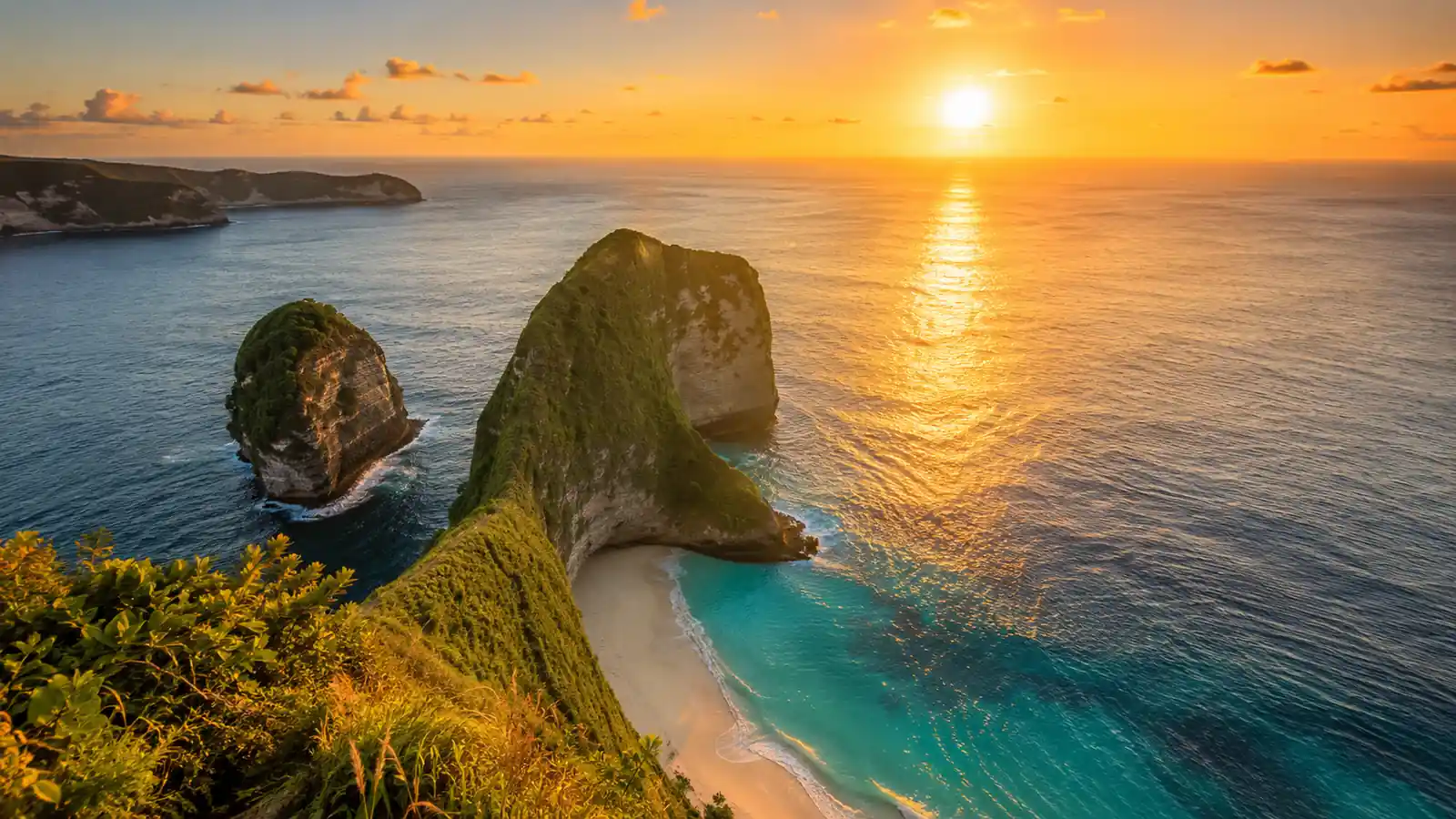 Travel Guide
August 14, 2026
Nusa Penida 3-Day Itinerary: The Complete Route for First-Timers
A day-by-day 3-day Nusa Penida itinerary covering Kelingking, Angel's Billabong, Broken Beach, Diamond Beach, Atuh Beach and more — plus boat, fee and scooter-vs-driver logistics.
Read more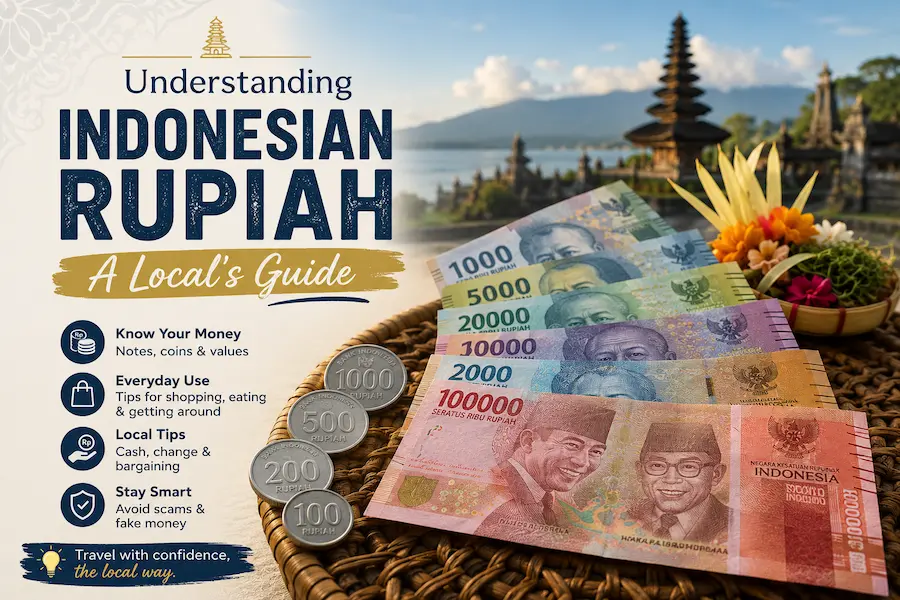 Travel Guide
July 19, 2026
Understanding Indonesian Rupiah: A Local's Guide (So You Don't Pay Rp 500,000 for a Coconut)
A practical guide to handling Indonesian Rupiah's many zeros — quick conversion tricks, note colors to know, honest local prices, and tipping norms for Bali and Nusa Penida.
Read more